


Yellow Sapphire (Pukhraj)
About Yellow Sapphire (Pukhraj)
Yellow Sapphire is a precious gemstone from the Corundum mineral family (aluminium oxide), coloured golden-yellow by trace amounts of iron. It ranks 9 on the Mohs hardness scale — second only to Diamond — making it exceptionally durable and well suited to daily wear in rings and pendants. As one of the four precious gemstones (alongside Ruby, Blue Sapphire and Emerald) and one of the nine Navratnas, Pukhraj holds a special place in Vedic tradition as the gemstone of the Guru — the planetary teacher of wisdom and prosperity.
Regional & Sanskrit Names
Across India, Yellow Sapphire is known by several names — Pukhraj or Pukhraaj (Hindi/Punjabi), Pushyaragam or Pushparagam (Tamil, Telugu, Malayalam), Pitmani or Peetmani (Sanskrit, 'yellow gem'), Guru Ratna ('gem of the Guru'), and Kanakapushyaragam in some South Indian texts.
Unique Facts
- Yellow Sapphire is the birthstone for November and is associated with the Sagittarius and Pisces zodiac signs.
- The finest natural Yellow Sapphires — with a rich 'canary' or 'lotus' yellow hue and no heat treatment — come from Ceylon (Sri Lanka) and are genuinely rare above 3 carats.
- True Pukhraj (Corundum) is often confused with Yellow Topaz or Citrine, which are mineralogically different and not considered equivalent substitutes in Vedic astrology.

Origin & Sources of Yellow Sapphire
Ceylon (Sri Lanka)
The most prized and widely recommended origin for astrological use — known for bright golden-yellow to lotus-yellow colour, high transparency, and natural (unheated) occurrence. Ceylon Pukhraj commands the highest prices among all origins.
Bangkok (Thailand)
A major cutting and trading hub; the vast majority of Thai-processed Yellow Sapphires are heat-treated to enhance colour and are generally not recommended for astrological use.
Madagascar & East Africa (Tanzania, Kenya)
A growing source of natural Yellow Sapphire, often more affordable, with good colour though variable clarity.
Australia
Produces yellow-to-greenish sapphires, typically darker and more olive in tone — less preferred for astrological purposes.
USA (Montana)
A small production of pale, delicate yellow sapphire, valued mainly for jewellery rather than astrology.
Only Natural Gemstones sources Yellow Sapphire directly from certified and trusted Ceylon suppliers — every stone is accompanied by a laboratory certificate stating origin and treatment status.

Benefits of Wearing Yellow Sapphire
Astrological Benefits
As the gemstone of Guru (Jupiter / Brihaspati), natural Pukhraj is believed to
- Strengthen a weak or afflicted Jupiter in the birth chart (Kundali)
- Attract wealth, prosperity and career growth — especially for those in education, law, finance and consultancy
- Improve wisdom, decision-making and spiritual inclination
- Support marital happiness, and is often recommended for delayed marriage or marital discord, especially for women
- Bless couples with progeny when Jupiter governs the 5th house
- Offer protection from negative energies and the ill effects of an afflicted Jupiter
Healing & Wellness
Yellow Sapphire is traditionally associated with improved digestion, liver function and immunity, and is said to support hormonal balance, mental clarity and confidence.
Birthstone Significance
Yellow Sapphire is a recognised birthstone for November, traditionally worn by those born under the Sagittarius (Dhanu) and Pisces (Meen) zodiac signs.

Who Should Wear Yellow Sapphire
By Zodiac Sign (Rashi)
Most beneficial for Sagittarius (Dhanu) and Pisces (Meen) moon signs, since Jupiter rules these signs directly. Also favourable for Cancer, Leo and Scorpio ascendants, where Jupiter typically acts as a benefic planet.
By Planetary Position
Recommended for individuals with a weak, debilitated or malefic-afflicted Jupiter, or those running a Guru Mahadasha/Antardasha — provided Jupiter is not a functional malefic for their ascendant.
Wear as Your Birthstone
Yellow Sapphire is the internationally recognised modern birthstone for November, and is widely worn simply as a personal birthstone for its warm golden colour, in addition to its role as the gemstone of Jupiter.
Important: Jupiter's placement varies for every individual — consult a qualified astrologer with your birth chart before wearing Pukhraj as an astrological remedy.
Get expert guidance — online or in person — from our Astro Gem Experts at Only Natural Gemstones to choose the right gemstone for your horoscope.

Yellow Sapphire Quality
Colour
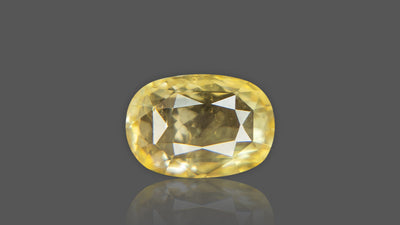
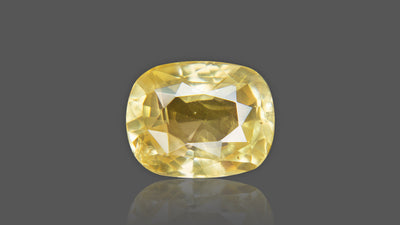
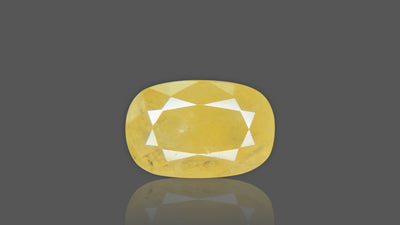
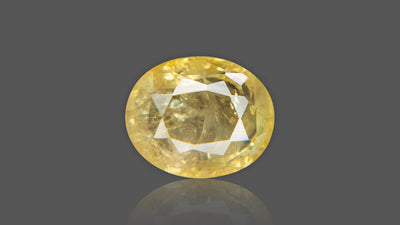
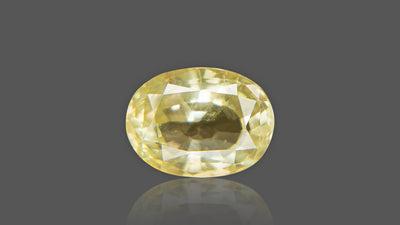
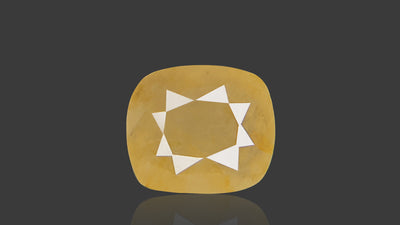
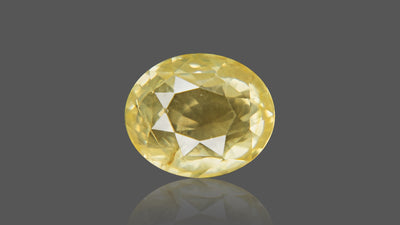
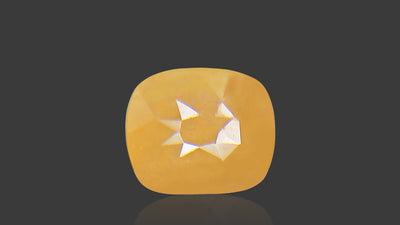
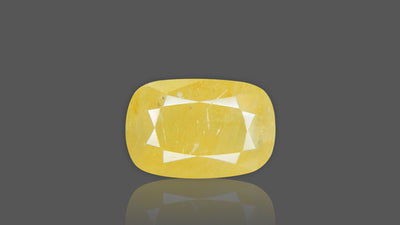
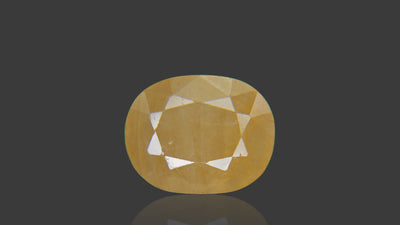
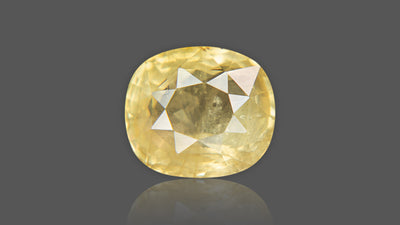
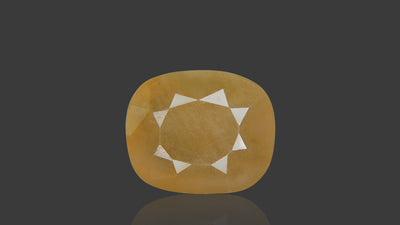
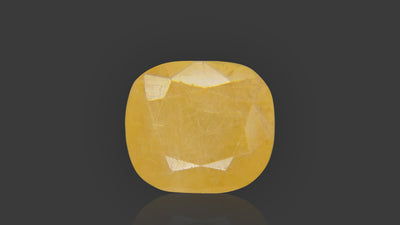
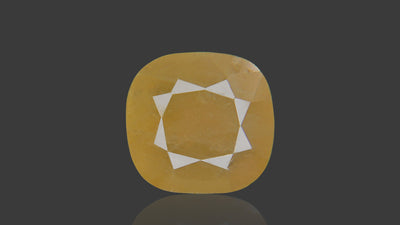
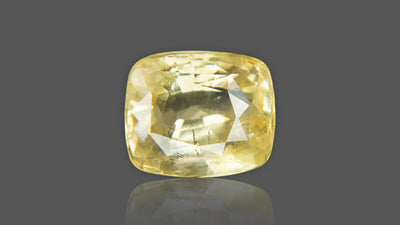
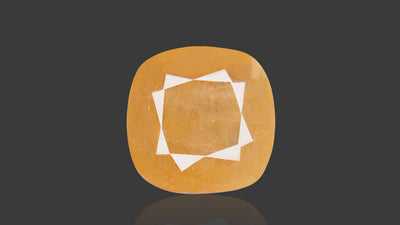
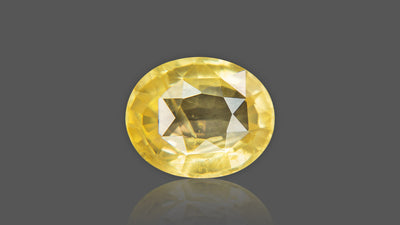
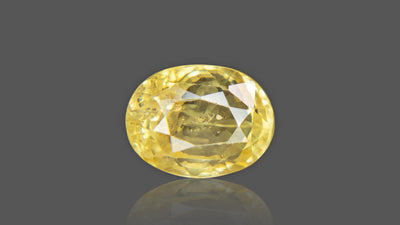
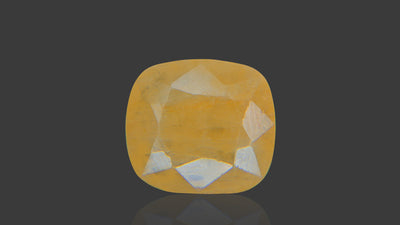
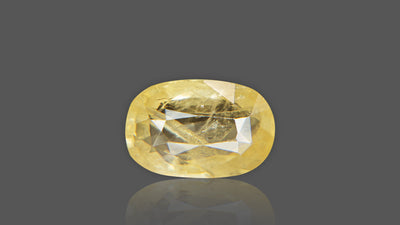
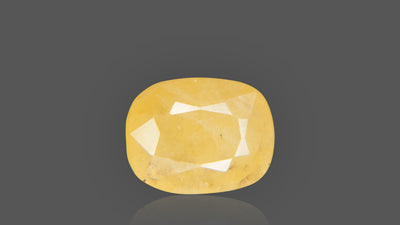
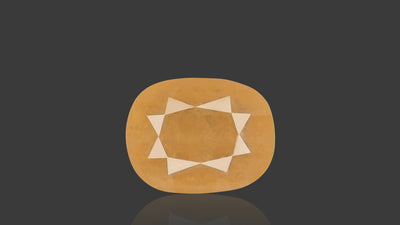
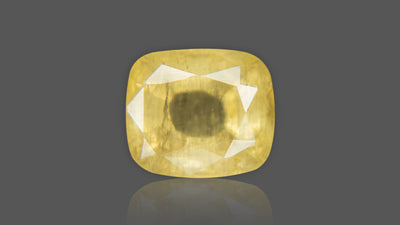
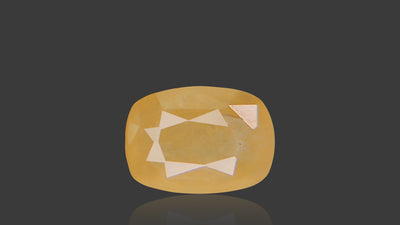
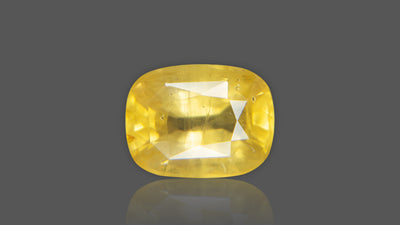
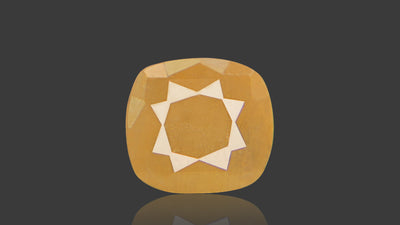
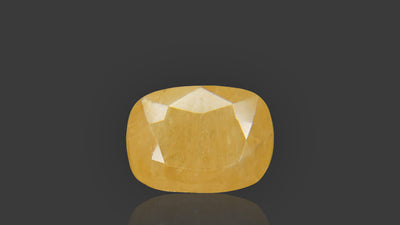
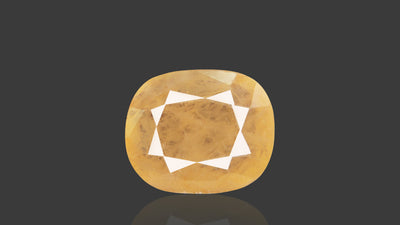
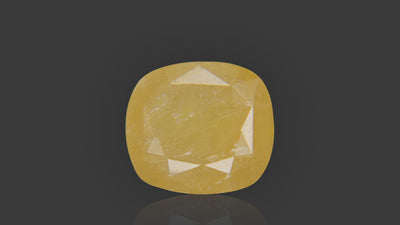
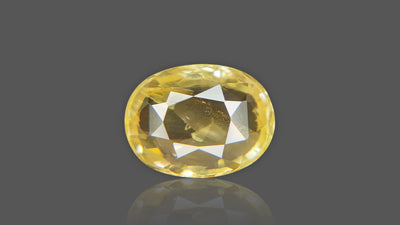
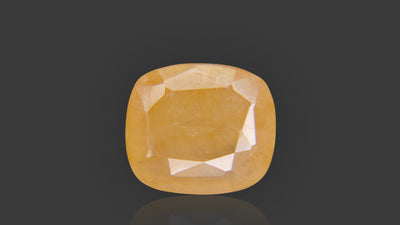
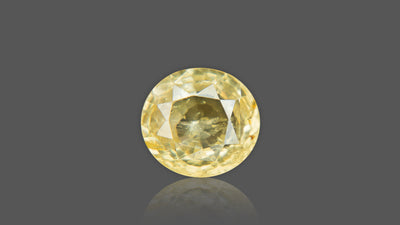
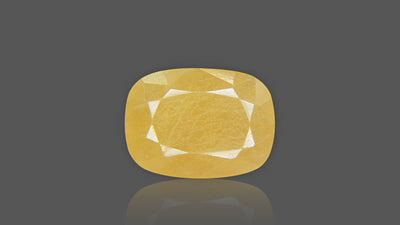
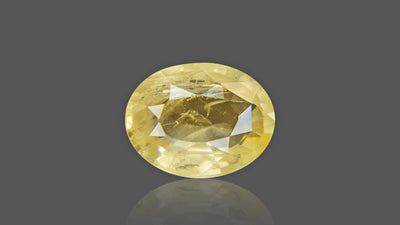
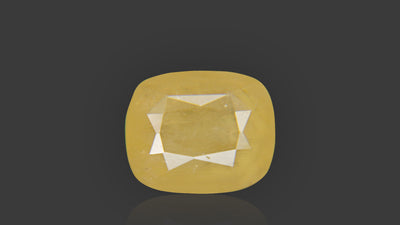
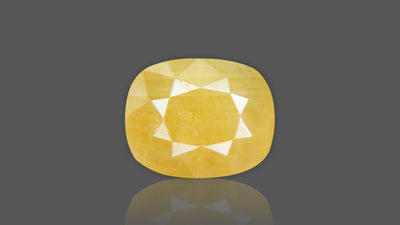
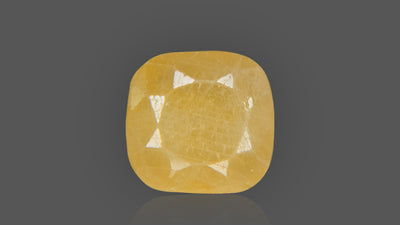
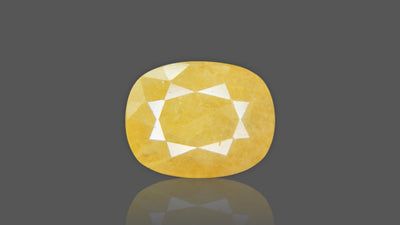
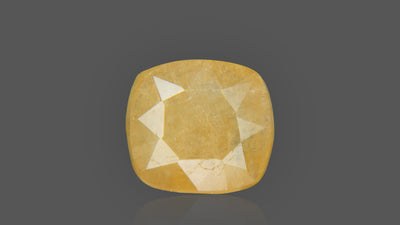
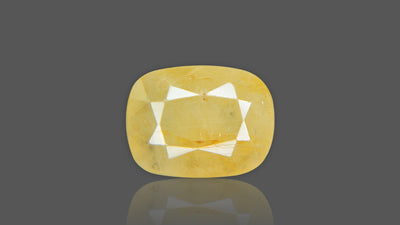
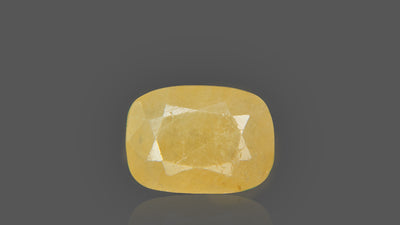
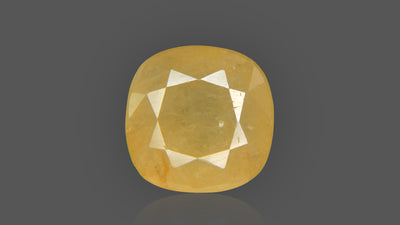
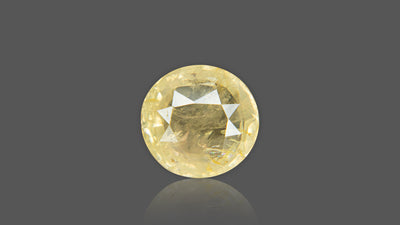
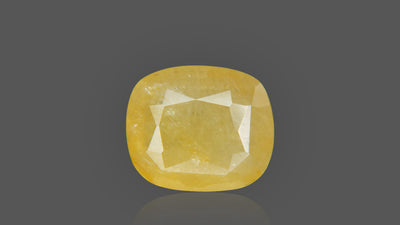
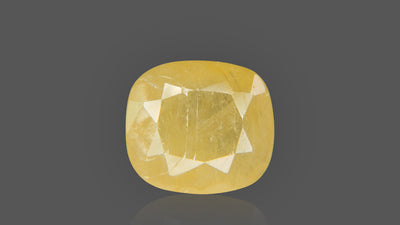
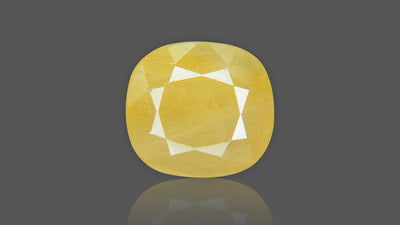
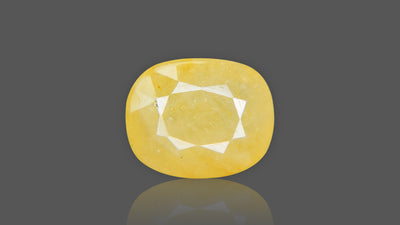
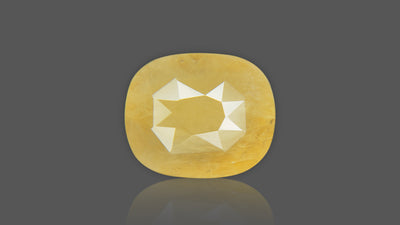
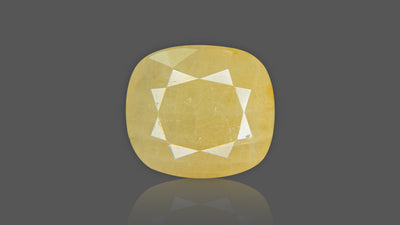
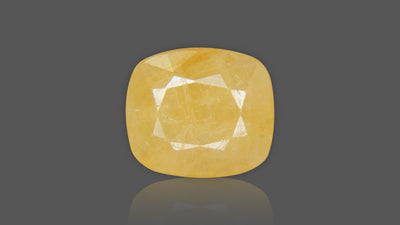
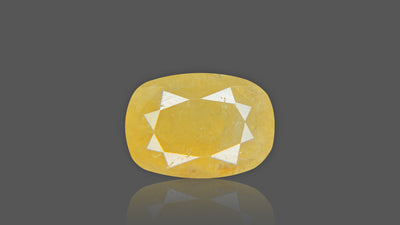
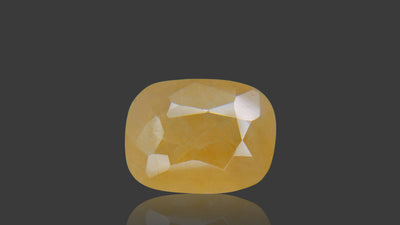
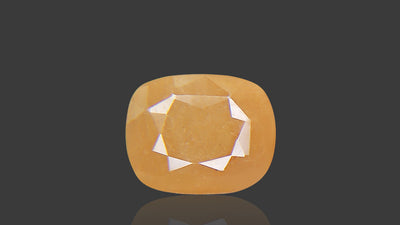
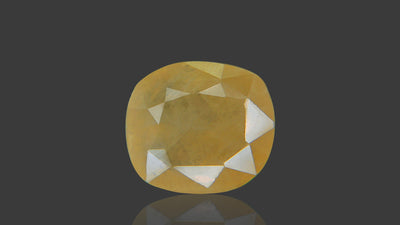
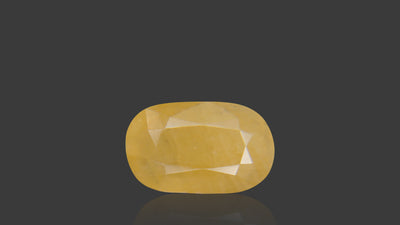
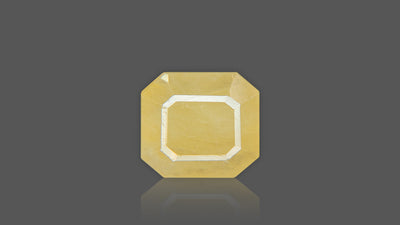
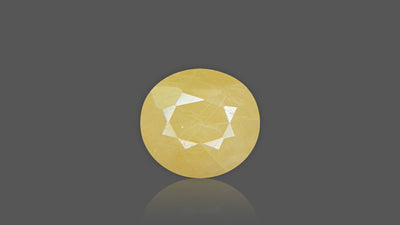
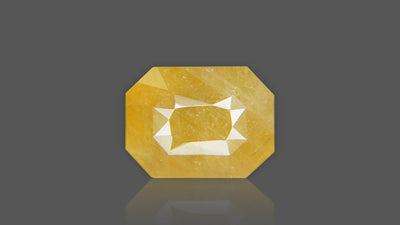
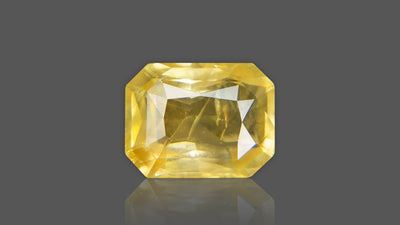
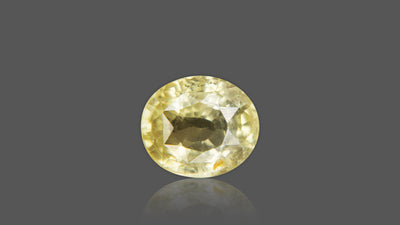
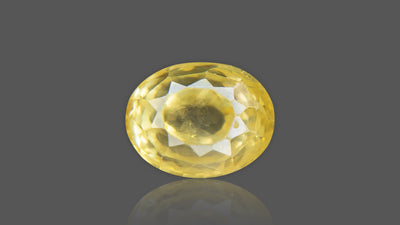
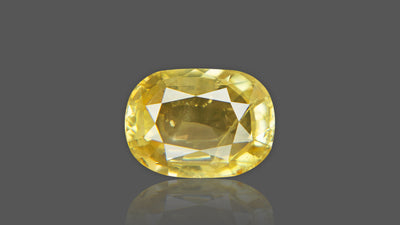
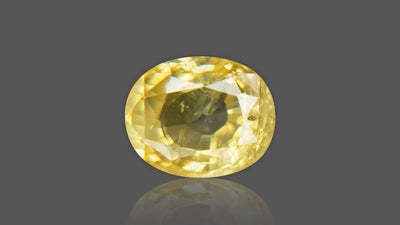
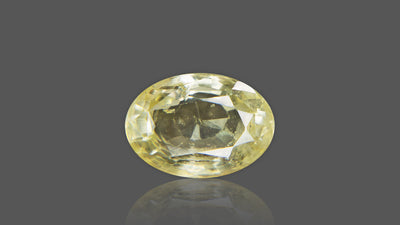
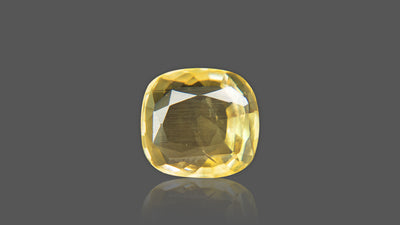
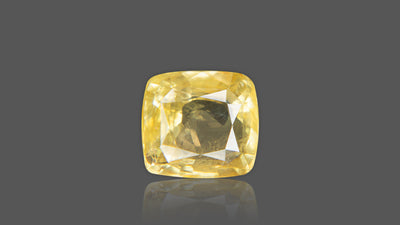
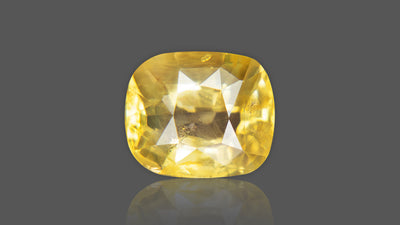
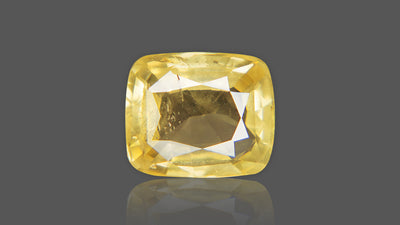
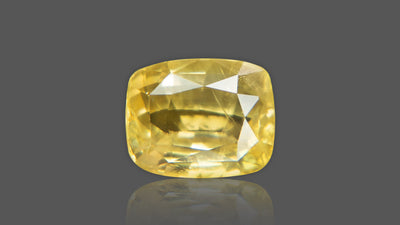
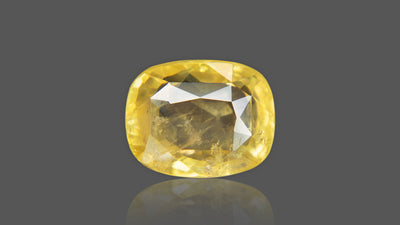
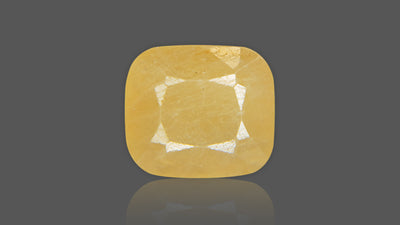
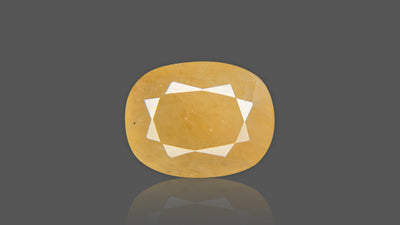
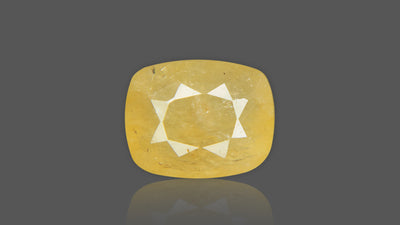
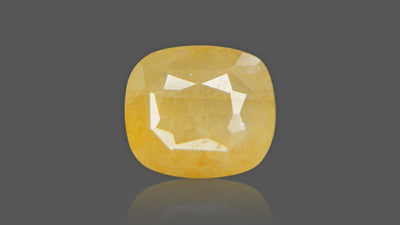
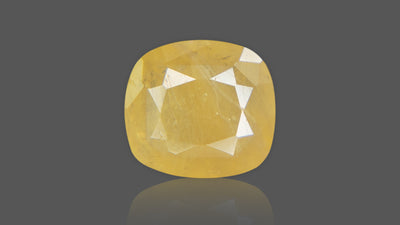
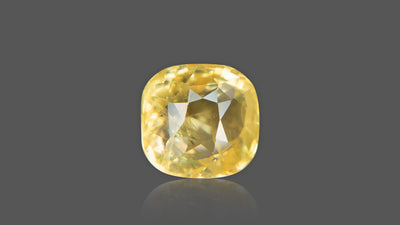
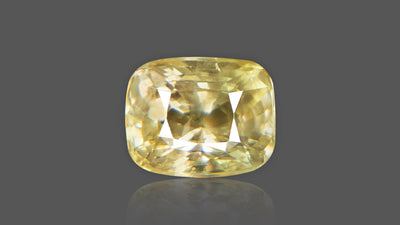
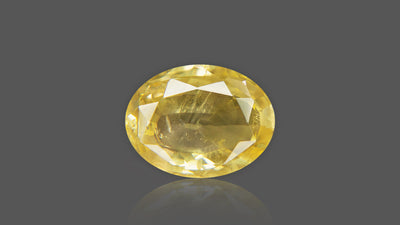
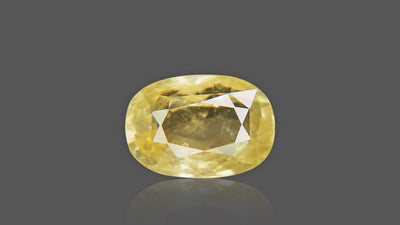
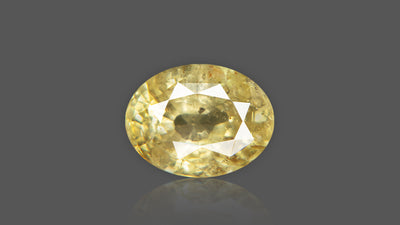
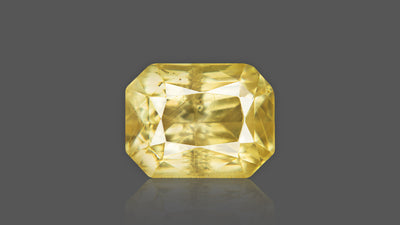
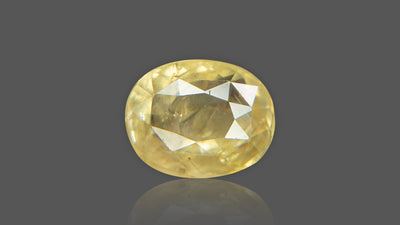
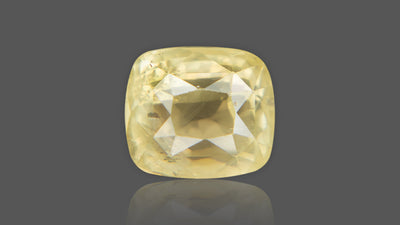
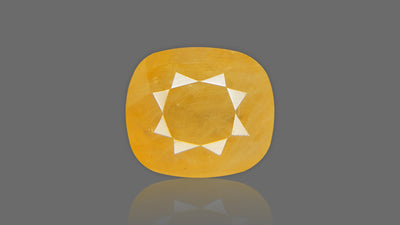
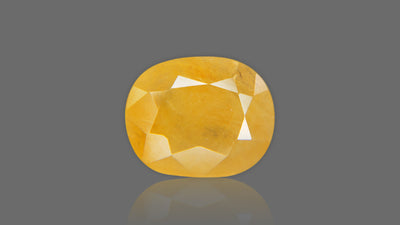
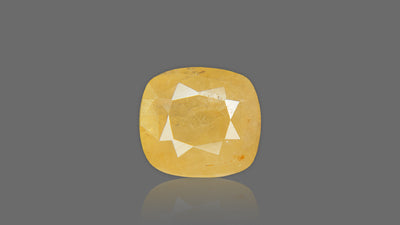
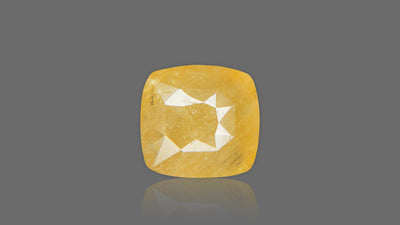
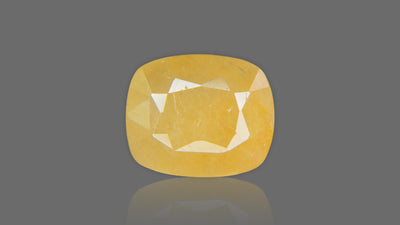
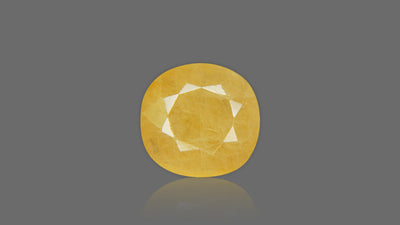
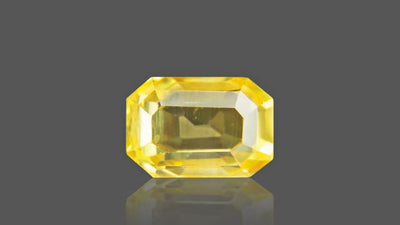
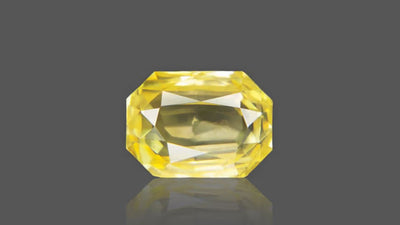
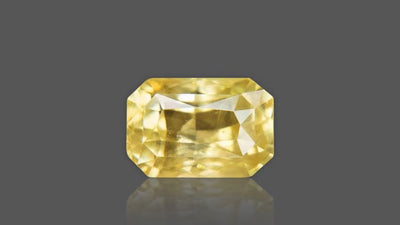
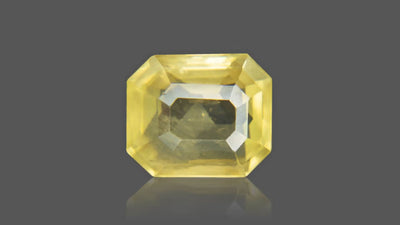
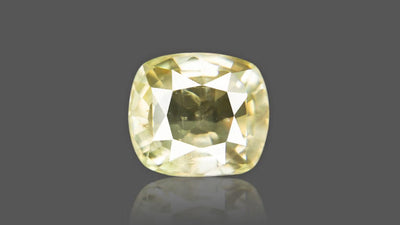
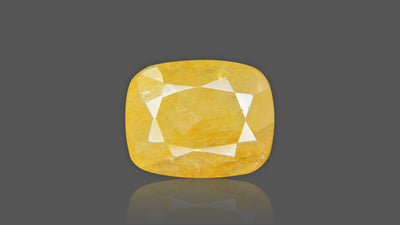
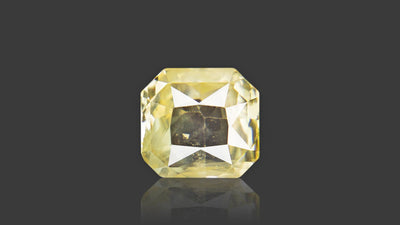
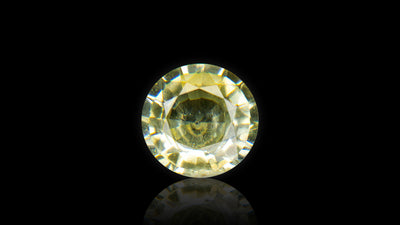
The most valuable Yellow Sapphires show a pure, vivid golden-yellow to 'lotus' yellow hue, free of brownish or greenish undertones.
Clarity
For the best results, choose a stone free of major dark or black inclusions and visible surface cracks, and avoid cloudy or dull-looking stones; natural Pukhraj typically contains minor inclusions (silk, needles), so eye-clean to slightly included stones are preferred.
Cut
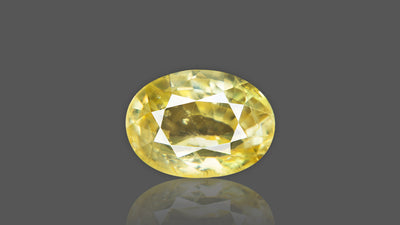
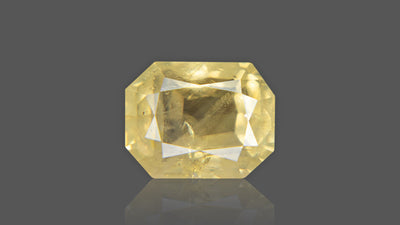
A well-proportioned cut (oval, cushion, round) brings out higher brilliance and a better overall sparkle while retaining carat weight — a poorly cut stone can look dull even in good colour.
Carat / Ratti Weight
In Vedic astrology, Pukhraj is typically recommended in Ratti (1 Ratti = 0.91 carat), commonly 3 to 7 Ratti (2.7–6.4 carats), depending on horoscope and body weight.
Treatment Status
Unheated, untreated natural Yellow Sapphire is considered astrologically most potent and commands significantly higher value than heat-treated stones.

Price of Yellow Sapphire in India
Yellow Sapphire price depends primarily on origin, colour saturation, clarity, carat weight and treatment status. Natural, unheated Ceylon Yellow Sapphire in India typically ranges from ₹5,000 to ₹50,000 per carat for good commercial quality, and can exceed ₹1,00,000 to ₹3,00,000+ per carat for exceptional, untreated, top-colour stones with strong clarity.
| Quality Grade | Indicative Price (per carat) |
|---|---|
| Entry / Commercial | ₹5,000 – ₹15,000 |
| Good (bright colour, minor inclusions) | ₹15,000 – ₹50,000 |
| Fine (vivid colour, eye-clean) | ₹50,000 – ₹1,50,000 |
| Exceptional / Rare (top colour & clarity, larger sizes) | ₹1,50,000 – ₹3,00,000+ |
Note: Uncertified or synthetic stones are sometimes sold at similarly low prices elsewhere but are not recommended for astrological use. Every stone at Only Natural Gemstones is natural and certified — figures above are indicative market ranges, with exact pricing listed against each stone in our collection.

Buying Guide — Treatments & Certification
What to Watch For
The most common treatments seen in commercial Yellow Sapphire are heat treatment to improve colour and clarity, and less often diffusion treatment, irradiation, or glass filling to mask flaws. Treated stones are considered far less effective for astrological remedies. Only Natural Gemstones does not sell heat-treated, diffused, or glass-filled Yellow Sapphire — every stone is 100% natural and unheated, with lab certification to prove it.
Common Substitutes
Pukhraj is sometimes confused with or substituted by Yellow Topaz, Citrine ('Indian Topaz'), synthetic sapphire, or yellow-dyed quartz — all gemologically and astrologically different from genuine Corundum-based Yellow Sapphire.
Why Certification Matters
A gemological lab certificate confirms the stone is natural Corundum, discloses treatment status (heated/unheated), and verifies origin where possible — essential for both astrological efficacy and protecting your investment.
Why Only Natural Gemstones
- Lifetime guarantee of authenticity on every gemstone we sell.
- Certified by the most trusted gemological laboratories, with reports you can verify online using the certificate number, before or after purchase.
- 100% natural, unheated and untreated gemstones only — never lab-grown, dyed or synthetically enhanced.
- Expert guidance from our in-house Astro Gem Experts to help you choose the right gemstone for your horoscope and budget.
- Customisation available — get your gemstone set in a ring or pendant of your choice, including a traditional open-back setting.
- Every gemstone is energised and activated through Vedic rituals before dispatch, so it is ready to deliver maximum benefit from the day it reaches you.

How to Wear Yellow Sapphire — Vedic Method
Metal
Gold is the most auspicious metal for Yellow Sapphire, as it is ruled by the Sun, which supports Jupiter. Panchdhatu (five-metal alloy) is also acceptable.
Finger
Traditionally worn on the index finger (Tarjani) of the right hand for right-handed individuals (left hand for left-handed individuals).
Setting
Best worn in an open-back (Chidra) setting, allowing the stone to touch the skin directly for maximum astrological benefit, rather than a fully closed setting.
Day & Time
The most auspicious day is Thursday (Guruvar), during Shukla Paksha (waxing moon), ideally worn in the morning between sunrise and 10 AM.
Purification Ritual
Before wearing, cleanse the ring/pendant by soaking briefly in raw milk and Ganga jal, then energise it by chanting the Jupiter mantra — 'Om Brim Brihaspataye Namah' — 108 times.
Recommended Weight
Commonly 3 to 7 Ratti (approx. 2.7–6.4 carats), though exact weight should be determined by horoscope and body weight, ideally under astrological guidance.
Trial Period
A 3-day trial is often recommended before committing to wear Yellow Sapphire permanently.
Customisation
Get your gemstone customised into a ring or pendant of your choice at Only Natural Gemstones, complete with a traditional open-back setting for maximum skin contact.
Energisation
Every gemstone from Only Natural Gemstones is energised and activated through traditional Vedic rituals before it reaches you, so it is ready to wear and deliver benefits from day one.

Yellow Sapphire After Care — Cleaning & Maintenance
Cleaning
Clean regularly with mild soap, lukewarm water and a soft brush; pat dry with a soft, lint-free cloth. Avoid ultrasonic cleaners on stones with visible inclusions.
What to Avoid
Keep away from harsh chemicals, perfumes, cosmetics and chlorinated water, which can dull its natural lustre. Remove the ring before swimming, exercising, or household cleaning.
Storage
Store separately from other jewellery in a soft pouch or fabric-lined box — Sapphire is very hard (Mohs 9) but can still scratch, or be scratched by, other gemstones such as Diamond.
Re-energising
As per Vedic tradition, periodically re-energise your Yellow Sapphire by chanting the Jupiter mantra, especially after deep cleaning or extended periods of non-wear.

Yellow Sapphire - FAQs
Is Yellow Sapphire (Pukhraj) the same as Yellow Topaz?
No. Yellow Sapphire is a variety of Corundum (aluminium oxide), while Yellow Topaz is a different mineral (aluminium silicate). Vedic astrology recommends Corundum-based Pukhraj for Jupiter remedies, not Topaz.
How can I tell if my Yellow Sapphire is natural and unheated?
The only reliable way is a certificate from a recognised gemological laboratory (GIA, IGI, GII, IIGJ) explicitly stating 'natural' and 'no heat' or 'unheated.' Always ask for and verify the lab report before buying.
What is the ideal weight of Yellow Sapphire to wear?
Most astrologers recommend 3 to 7 Ratti (approximately 2.7 to 6.4 carats), though the exact weight should be based on your horoscope and body weight, ideally confirmed by a qualified astrologer.
Which finger should I wear Yellow Sapphire on?
Traditionally worn on the index finger of the right hand (left hand for left-handed individuals), set in gold with an open-back setting, on a Thursday morning.
Can Blue Sapphire and Yellow Sapphire be worn together?
Generally not recommended without expert guidance, as Jupiter and Saturn can produce conflicting planetary effects. Always consult an astrologer before combining gemstones.
Which month is Yellow Sapphire the birthstone for?
Yellow Sapphire is the internationally recognised modern birthstone for November, making it a popular personal choice for those born in that month, in addition to its role as the gemstone of Jupiter in Vedic astrology.
What is the price of natural Yellow Sapphire in India?
Natural, unheated, certified Yellow Sapphire typically ranges from ₹5,000 to ₹3,00,000+ per carat, depending on origin (Ceylon being the most valuable), colour, clarity and treatment status.
Is Ceylon Yellow Sapphire better than African or Thai Yellow Sapphire?
Yes. Ceylon (Sri Lanka) Yellow Sapphire is considered the finest for astrological use, occurring naturally in vivid golden-yellow hues without treatment, and is the most widely recommended origin by Vedic astrologers.
How long should I trial Yellow Sapphire before wearing it permanently?
A 3-day trial period is commonly recommended to observe the stone's initial effects before committing to long-term wear.
Does Only Natural Gemstones provide certification with every Yellow Sapphire?
Yes. Every Yellow Sapphire sold on Only Natural Gemstones is 100% natural, unheated, untreated, and comes with certification from GIA, IGI, GII or IIGJ.
Yellow Sapphire






































































































Filters
Sort Gemstones
Find Your Gemstone with Expert Guidance
Connect with our Vedic astrology and gemology experts — visit us in-store, call, or reach us on WhatsApp.

